Don't Be Enticed By These “Trends” About Single Bunk Mattress
Choosing a Single Bunk Mattress Bunk beds are available in different sizes to meet the needs of your family. There are standard bunk beds that have two twin mattresses futon bunk beds and trundle beds. Most of the injuries that occur in bunk beds result from children falling off the top bunk, therefore you need to be sure your mattress is strong enough to stop this from happening. Additionally, you should consider the weight-carrying capacity of the frame of your bunk bed. Size Bunk beds are a great option to maximize the space of the room and allow for two or more people to rest comfortably. They are also great for reducing living expenses in dorm rooms and smaller apartments. However, the type of bunk mattress and bed you select is crucial for your comfort and safety. You should not use heavy box springs for a mattress foundation for a bunk bed because they could damage the mattress and prevent proper support. Use a bunkieboard or the plywood slab that is specifically designed for bunk beds. When it comes to the size of bunk mattresses there are a variety of options that can meet your family's needs. The majority of bunk beds are made out of twin mattresses. However there are also full bunks that have two sides and a top mattress. In addition some bunk beds are loft beds with the lower section open to be used as the use of a desk or a futon. If you're purchasing a twin-sized bunk bed and you want to buy a mattress that's at least six inches thick is the most suitable. bed single bunk bunkbedsstore is important to ensure the rails of the top bunk are high enough to stop sleeping children from falling over at night and injuring themselves. If your ceiling isn't very high, thicker mattresses could cause gaps between them and the guard rails of the top bunk. This can be dangerous. The majority of bunk beds are equipped with either stairs or ladders to access the top bunk. These ladders and stairs let children safely climb into bed, without the danger of falling from the side of the bunk. It is also important to consider the way your child will get to the bottom of the bunk, whether this is with an elevator or a ladder. Healthcare facilities face a variety of problems when deciding on how to utilize their space, and bunk beds are often an excellent solution to maximize space in patient rooms. However, bunk beds can restrict design flexibility and not work well in smaller rooms. It is essential to select the correct single mattress for bunk beds to tackle these issues. Comfort In general, bunk bed are more compact than regular beds to ensure they are safe for children. This is due to the fact that the mattress used on the top bunk should not be taller than the railings that guard it to avoid any injuries that could occur if it falls off the mattress. The mattress should be at least 6 inches thick. However, there are plenty of options for this kind of sleeping surface. Many bunk beds are designed to provide an uncomfortably restful night's sleeping at a reasonable cost. Many bunk bed mattresses are made out of a mixture of materials, like wool and organic cotton, which allows for air circulation and latex or individually-wrapped springs to give you a more responsive feel. These features create a bouncy feel while relieving pressure from the shoulders and hips of sleepers. The soft to medium-firm feeling of these mattresses also makes them ideal for side and back sleepers alike, irrespective of their preferred body positions. There are also more luxurious options for those who prefer a little more comfort. These include hybrids, memory foam and innerspring beds. They provide a soft and comfortable feeling without compromising safety. They may not be as responsive as a memory foam or latex bed, but they're highly responsive. They're suitable for side and back sleepers. Some bunk beds also have foam corner bars or encasements to provide additional support. They can help reduce the amount of noise and movement that occurs from those sleeping on the bottom bunk, as well as helping to keep the mattress stable and sturdy for a longer period of time. Another common type of bunk mattress is the trundle mattress. It's usually attached to a frame on the bottom of the lower bunk and is pulled out during a sleepover. This lets the bunk sleep up to three people and is ideal for vacation homes and rentals. A bunk bed with trundle is a great choice for teenagers and adults who want to maximize the space available in their bedrooms. They can easily be moved to another room when necessary and are the perfect solution for rooms with a limited space. They are great for teenagers and children who love to host sleepovers with friends. Durability Bunk beds are a great way to make space in healthcare facilities with limited space for more patients. However, a bunk bed with the wrong mattress can be more uncomfortable than two single beds, and could also pose security risks. This is why it's crucial to select the correct mattress for one bunk bed. Most bunk bed frames work well with twin-sized mattresses. The narrowest standard size mattress with a width of 38 inches and 75 inches long, can fit into most bedrooms without having to modify existing furniture. If the bunk bed is designed for children, consider choosing a memory foam mattress that has a hypoallergenic and anti-microbial cover, as these features can protect the mattress from staining and prolong its life. A waterproof CoolTech mattress is a great investment. It protects against sweat and urine which can ruin a mattress. Another thing to consider is a mattress's thickness. If the mattress on the top bunk is too thick, the mattress may end up being higher than the guardrails. This could be hazardous for the sleeper, and could limit their mobility while sleeping. It is recommended to select a mattress that is at least 6-7 inches thick so it can comfortably fit within the guard rails of the top bunk, but still provide enough support for the sleeper. A single bunk bed may also be equipped with an trundle that allows it to accommodate a third person by pulling out an extra mattress from the bunk below. This type of bunk bed is usually used in dorm rooms at colleges and is a popular choice for rehabilitation and youth psychiatric centers to accommodate more patients, but with less space. Many prefer the soft memory foam feel to the responsiveness of latex when it comes bunk mattress. There isn't a perfect solution. It depends on your personal preferences. For those who prefer the more pliable body-cradling characteristics of memory foam might find that an innerspring or hybrid mattress is more suitable than a traditional spring mattress. Warranty 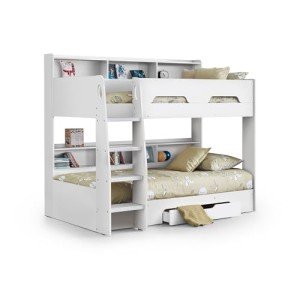 A warranty is a producer's assurance to cover certain problems with the mattress for a specified period of time. The warranties can be written or written and vary from company to company. Before filing an insurance claim, go through the conditions of your warranty carefully. If your concern is not covered, it can be expensive and frustrating to reach out to an agent. The duration of the warranty, as well as other important information can be located on a tag, also known as a law tag, which is sewn to the head or foot of your mattress. In the majority of cases, the warranty is non-prorated for 10 years and provides the option of a complete repair or replacement when there is physical damage. However, there are a few things that aren't covered. These include changes in softness over time, preferences for comfort damage that is sustained by the owner (such spills or staining) or use of foundations that haven't been approved by the manufacturer, floor models and products sold by retailers who aren't authorized. Contact the manufacturer via email or phone in the event of issues with your mattress warranty. These representatives can assist you with the claim process and provide you with all necessary documentation. You should also check in often after you have submitted your claims. This will ensure that they are being reviewed, and that the issue is dealt with promptly. Single bunk beds are very popular in health facilities because they reduce the risk of falling because they have a low center of gravity. They are also more sturdy than traditional bed frames. They can be paired with a variety of frame types and are compatible with most railings and safety devices. They are easy to clean, and they have a minimum of moving parts. This means they are safe for people who have disabilities or impaired mobility. Cost is a key factor when deciding to purchase a bunk bed. This is particularly true if the facility needs to purchase multiple beds or is working on a tight budget. Making the best choice for your budget is the best way to maximize value while maintaining the safety standards and quality.